Vegan Hanukkah Recipes
Eight glorious nights of vegan latkes, vegan sufganiyot, and enough oil-fried glory to make the Maccabees blush. Whether you're hosting a full Hanukkah spread or just need a banger dessert to bring to the party, these 100% vegan Hanukkah recipes have got you covered.
🥔 Vegan Latke Recipes


🕎 Essential vegan Hanukkah sides
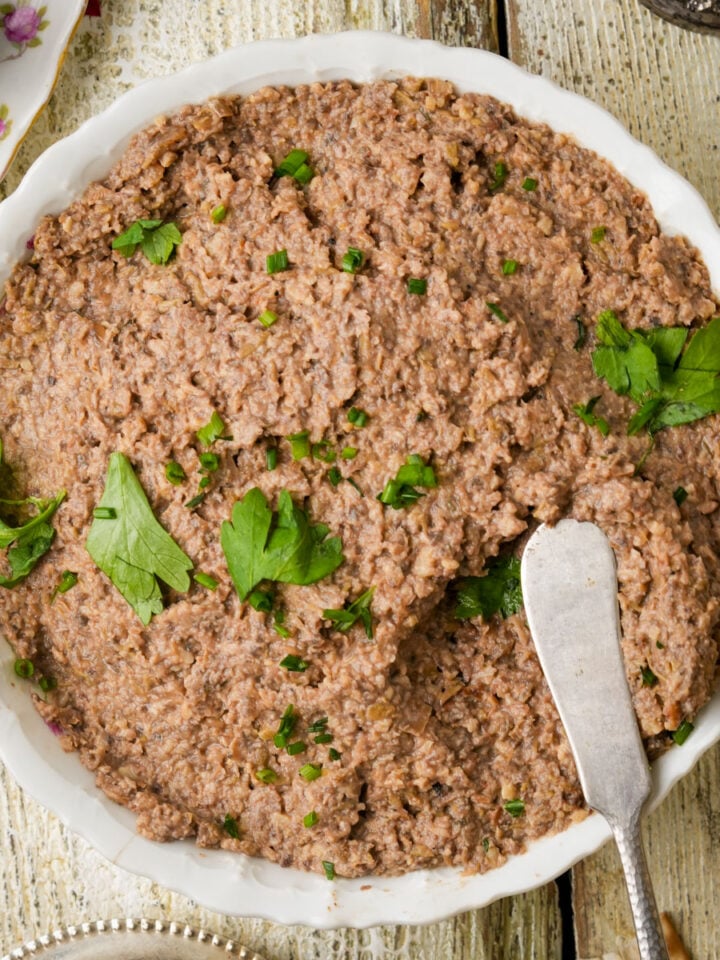


Eight nights of Hanukkah, zero animals harmed. Learn to make Jewish holiday food that actually slaps.

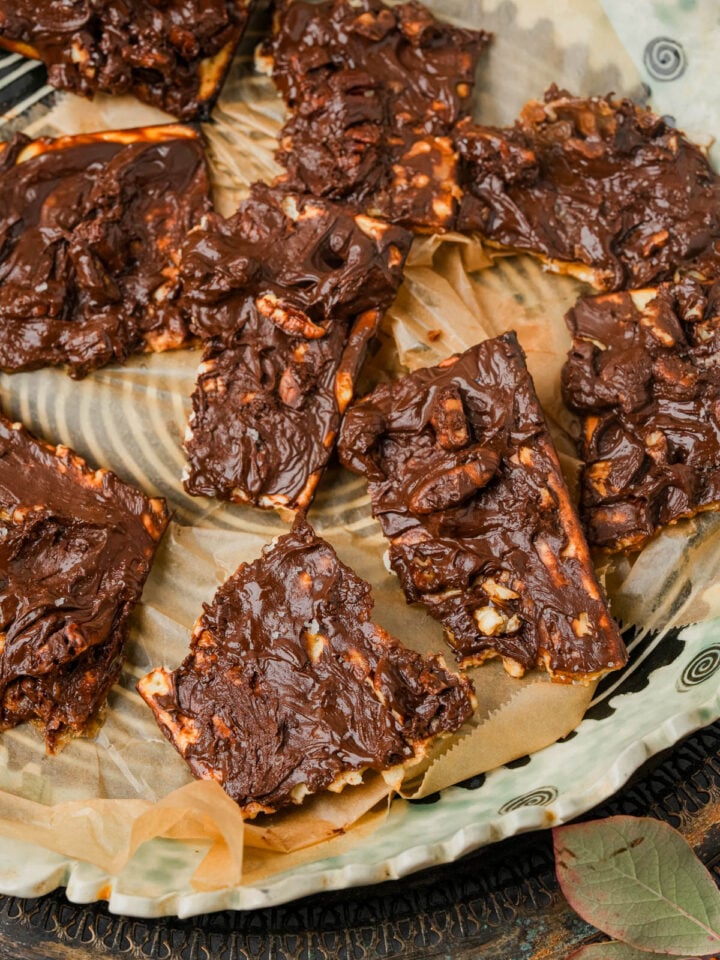
✡️ My Most Popular Vegan Hanukkah Desserts



🤷♀️ Vegan Hanukkah Cooking FAQs
Hanukkah is all about the miracle of oil. When the Maccabees reclaimed the Temple in Jerusalem around 165 BCE, they found only enough consecrated olive oil to keep the menorah lit for a single day.
According to the Talmud, that oil burned for 8 days straight, which is exactly why Hanukkah lasts 8 nights. Frying food in oil is basically the most delicious way anyone has ever commemorated a religious miracle, and honestly? The tradition has held up ridiculously well.
So yeah, latkes and sufganiyot aren't just crowd favorites. They're fried in oil on purpose, as a direct nod to that ancient miracle. Every latke you fry and every sufganiyot you pull out of the oil is a little edible callback to one of the most celebrated moments in Jewish history. No other holiday gives you this kind of theological justification for a giant pile of fried food, and we are not taking that for granted.
This is so much easier than you're making it in your head. Hanukkah is fundamentally a fried food holiday, and fried food needs zero explanation or defense to anyone at any table. Nobody is going to show up, see a giant platter of crispy golden latkes, and think "but where's the meat?"
The trick is the same as any great holiday spread - lead with flavor and abundance, not labels. Call it "crispy potato latkes with caramelized onion and sour cream" not "vegan latkes." Make your sufganiyot look and taste like the most gorgeous doughnuts anyone has ever seen. Fry everything until it's nice and crispy, don't skimp on the vegan butter, and pile the food high like you mean it.
When the table looks and smells like a legitimate Hanukkah feast, most people won't be thinking about what's missing. They'll be thinking about seconds. The goal isn't to convince anyone of anything (I mean, kinda it is). Just make food so ridiculously good that the conversation never even goes there, and instead people leave convinced of how bangin' vegan food can actually be!
Bring something you're genuinely excited to eat, but that everyone else will be psyched to get a scoop of too. Think maple roasted vegetables, a ridiculously good Israeli cous cous salad, or a stunning dessert that travels well and doesn't need 40 minutes of oven time when you arrive.
This is not the moment to bust out novelty vegan products that'll make people raise an eyebrow before they've even tasted anything. Just pick something that quietly steals the spotlight and lets the food do the talking. Showing up with a dish that everyone goes back for seconds on is the easiest way to prove that vegan food can hang at any holiday table.
There really is, and it's more grounded in Jewish tradition than most people realize.
Three core principles in Jewish law make a compelling case for plant-based eating: tza'ar ba'alei chayim (the prohibition against causing unnecessary suffering to animals), bal tashchit (the commandment against needless waste and destruction of the earth), and pikuach nefesh (the preservation of life). Factory farming is pretty hard to square with any of them.
On the question of whether meat is even required at Hanukkah (passover, shabbat, or any Jewish holiday), the Talmud (Pesachim 109a) and the Shulchan Aruch, the foundation of normative Jewish law, both make clear that since the destruction of the Temple, Jews need not eat meat on holidays at all. Rejoicing with wine is considered sufficient.
Rabbi Shlomo Riskin, a leading Orthodox rabbi, put it plainly: the dietary laws "are intended to teach us compassion and lead us gently to vegetarianism." And Rabbi Abraham Isaac Kook, the first Ashkenazi Chief Rabbi of British Mandatory Palestine, wrote that in the messianic era humanity would return to the original plant-based diet of Eden, viewing vegetarianism as a moral ideal.
A plant-based Hanukkah isn't some modern reinvention. It's actually a pretty darn faithful interpretation of what the holiday's values point toward!
Hosting a mixed table of vegans and skeptics? Learn to make Shabbat food so good, nobody's going home hungry or disappointed.

🫢 Even More Vegan Chanukah Recipes:
-
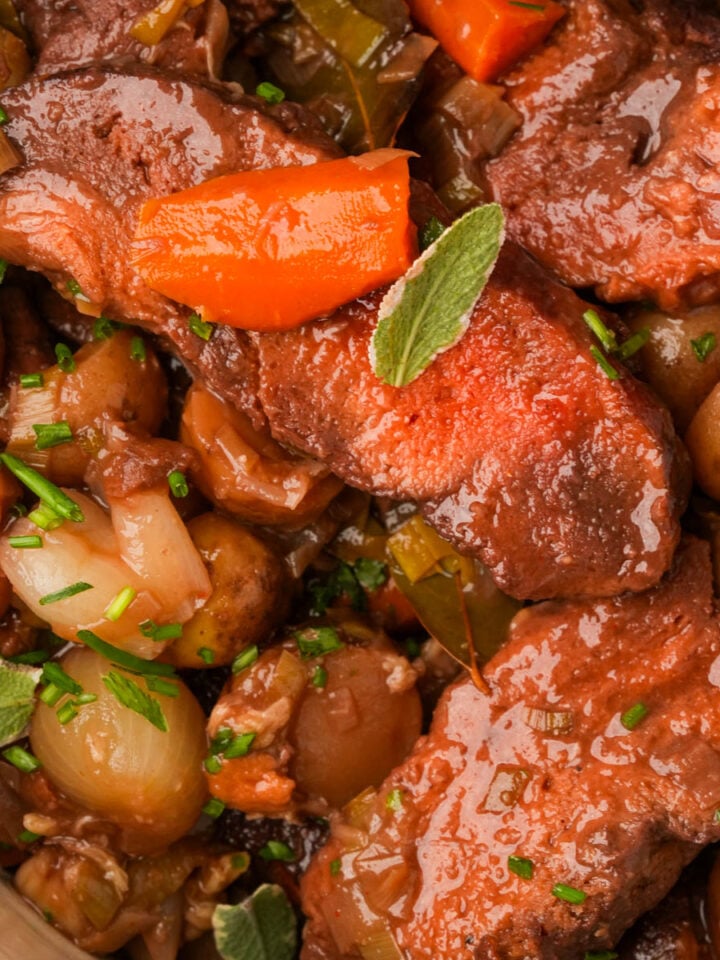
Vegan Pot Roast
-
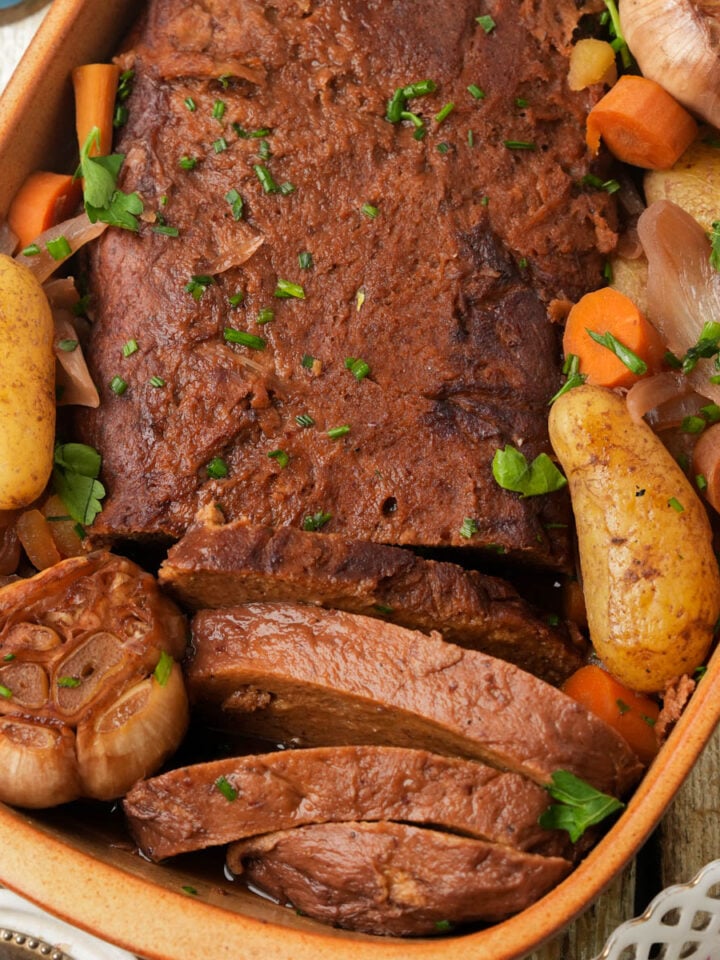
The Ultimate Jewish Vegan Brisket Recipe
-
Harissa Roasted Carrots Recipe
-
Vegan Schnitzel Recipe (Made With Tofu)
-
Vegan Apple Kugel Recipe
-
Vegan Potato Kugel Recipe
-
Vegan Borscht Recipe (Ukrainian Beet Soup)
-
Easy Vegan Pierogies (Fried Onion and Potato)
-
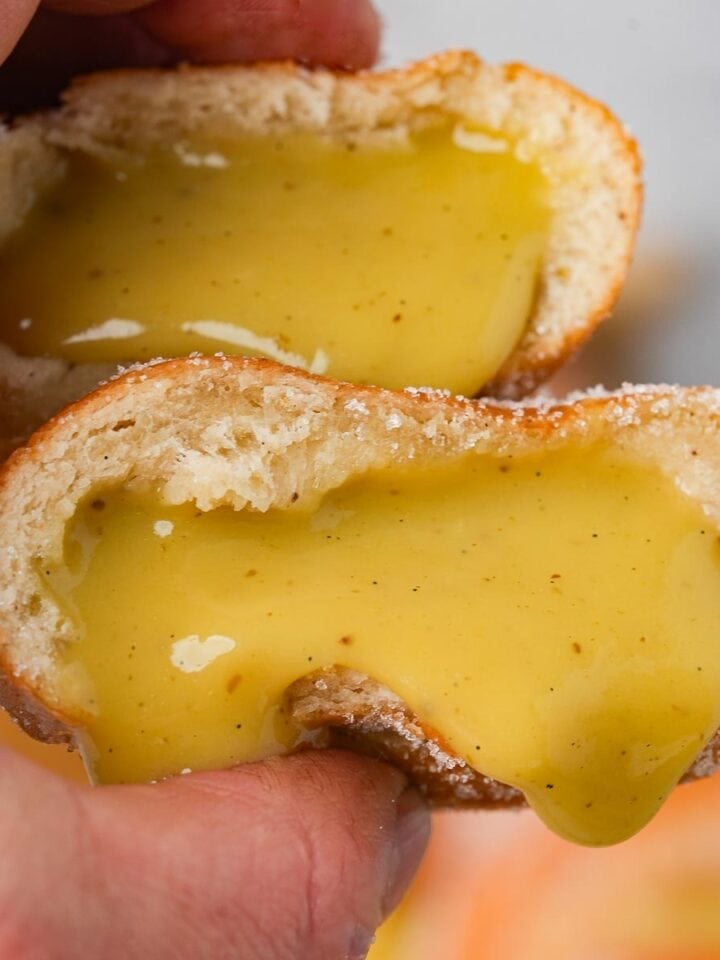
Bomboloni Recipe (Vanilla Cream Filled Italian Donuts)
-
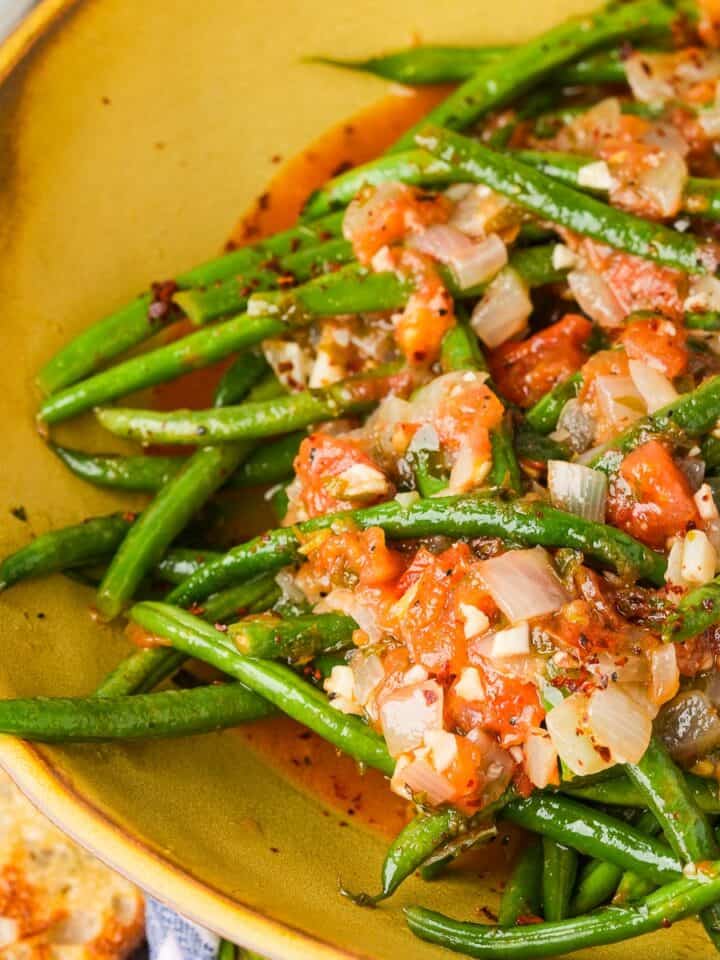
Zeytinyağlı Taze Fasulye Tarifi (Turkish String Beans)