

*This post may contain affiliate links. Read more »
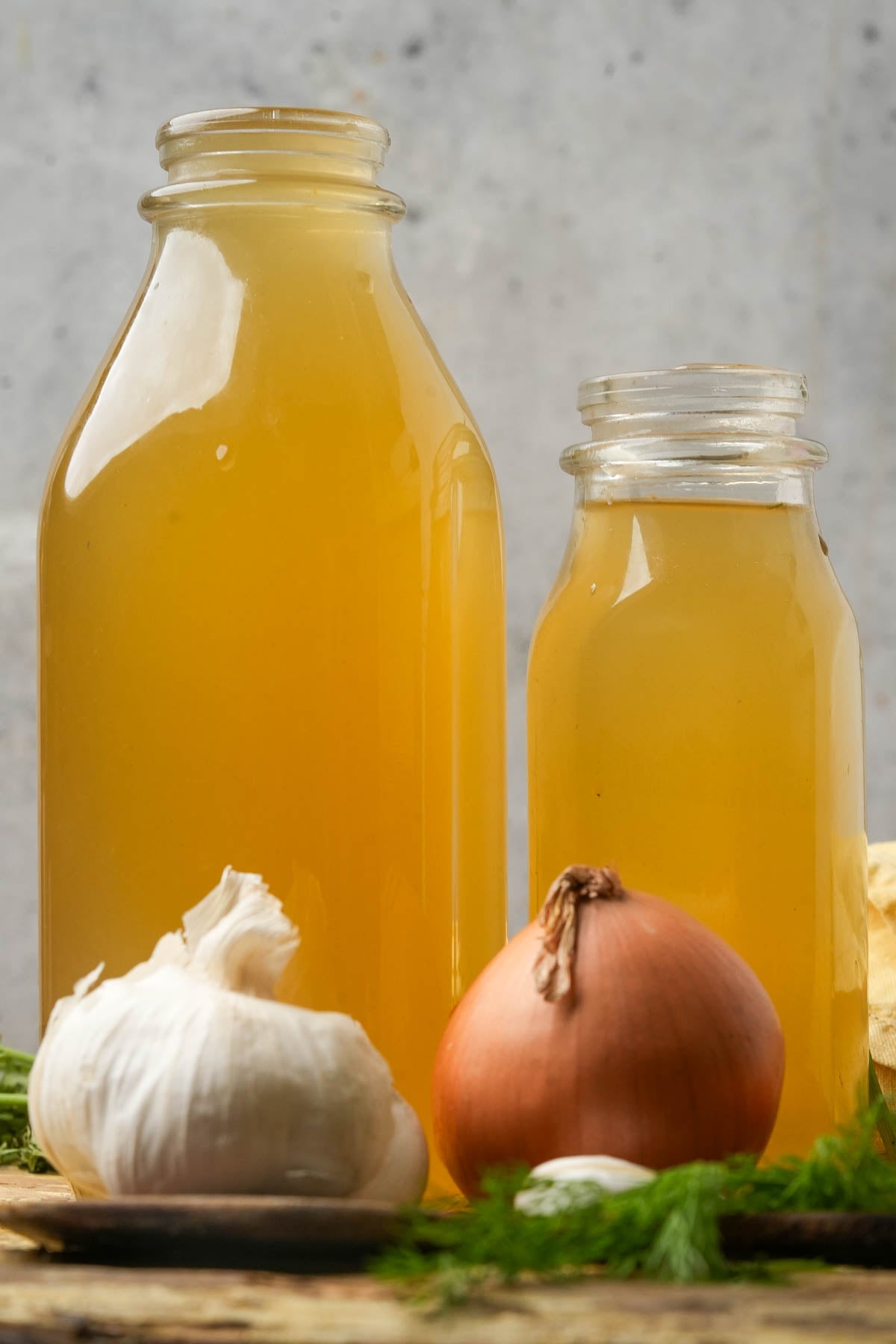
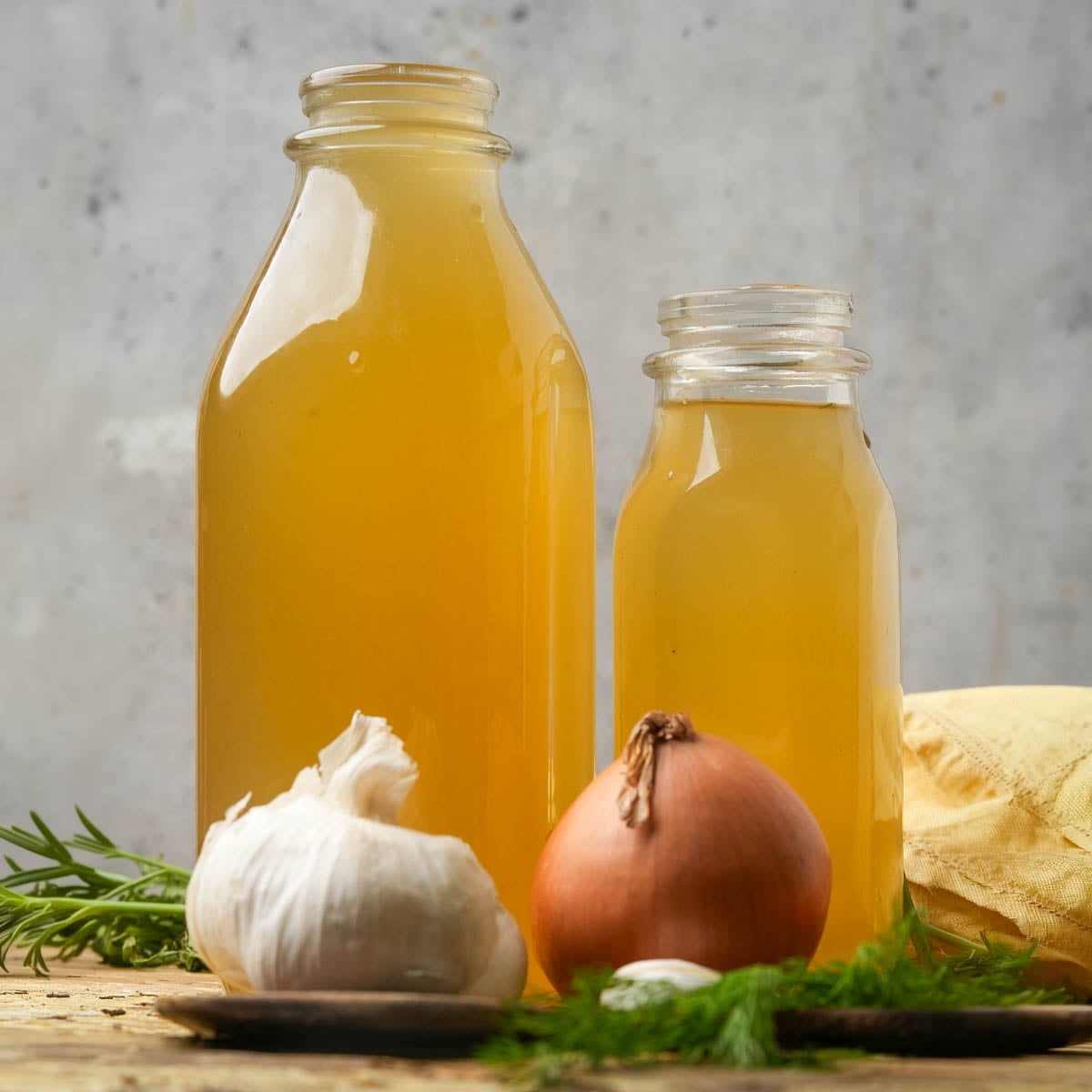
Every soup you make with plain ol' water is boring as hell, and of course, you also miss out on a ton of extra nourishment. But stock with no salt at all is so difficult to find in stores! This unsalted vegetable stock is the blank canvas that every soup, risotto and gravy deserves to be dripping with, and all you need are onions, carrots, celery, garlic, parsley and a few aromatics.
Recipe tips tailored to what matters most to you:

Just veggies, herbs, peppercorns and water. It's 100% gluten-free, so stock up without a second thought.

Since it’s all getting strained later, you can pulse the veggies up in a food processor and save yourself some cutting time.

Swap some of the fresh veggies for carrot peels, celery butt ends and leaves and parsley stems you've saved up in the freezer. Restaurant folks call it garbage stock, but it’s edible stuff.

Using unsalted stock lets you control exactly how much salt goes into your soups and sauces, especially ones that reduce a lot.

Nothing wacky here at all. If you can't find bay leaves, just leave them out, the stock will still be great.

A rolling boil turns stock cloudy and cooks off too much liquid, so you end up with less stock that tastes muddy. Keep it at a simmer.
Taste your final soup or sauce and salt it there. That's the whole point of making it unsalted.
Hot stock will warm up everything around it in a freezer. Let it cool first, and leave some headspace in each jar for expansion.
Oodles more tips, step-by-step recipe photos, info on weird ingredients, and FAQs are all still here. I just tucked 'em out of the way so you can start cooking sooner.
Here's the problem with most store-bought stock: it's already salted, and to extremely varying amounts depending on the brand. Then you've got to guess about how much to reduce the salt you add to a sauce or a soup, and suddenly din din tastes like you licked a salt lamp at a hippie spiritual store.
Unsalted stock fixes all of your life's problems (ok- maybe just that one I mentioned, actually). It's what chefs use in restaurant kitchens for exactly that reason.
I use it as the base for vegan minestrone, vegan pozole rojo, and a creamy white wine pumpkin risotto, where the stock reduces way down without becoming insanely salty. Grab your big stock pot and let's make some lovely liquid gold.
Jump to:
- Recipe tips tailored to what matters most to you:
- Why you'll adore this homemade vegetable stock recipe
- Salt-free vegetable stock ingredients
- Variations
- How to make unsalted vegetable stock
- Serving ideas
- Top tips
- Recipe FAQs
- ✌️ A few rad things to use your homemade vegetable stock in:
- Unsalted Vegetable Stock
Why you'll adore this homemade vegetable stock recipe
🧂 You Control the Salt: Reduce it, simmer it down, use a ton of it. It'll never turn your sauce into a salt bomb. I pwomisss.
❄️ Freezer Miracle: Make a giant batch on a lazy Sunday, freeze it in portions, and you're set for months of soups.
Tested and Approved Worldwide: Over 1,000 recipe testers stir their way through my vegan recipes before you do.


I'm on my knees staring weirdly into your eyes, asking you in a soothing voice to be my taste-testing partner in crime. Sign up for the recipe testing crew and get early access to new recipes before they're published.
Salt-free vegetable stock ingredients
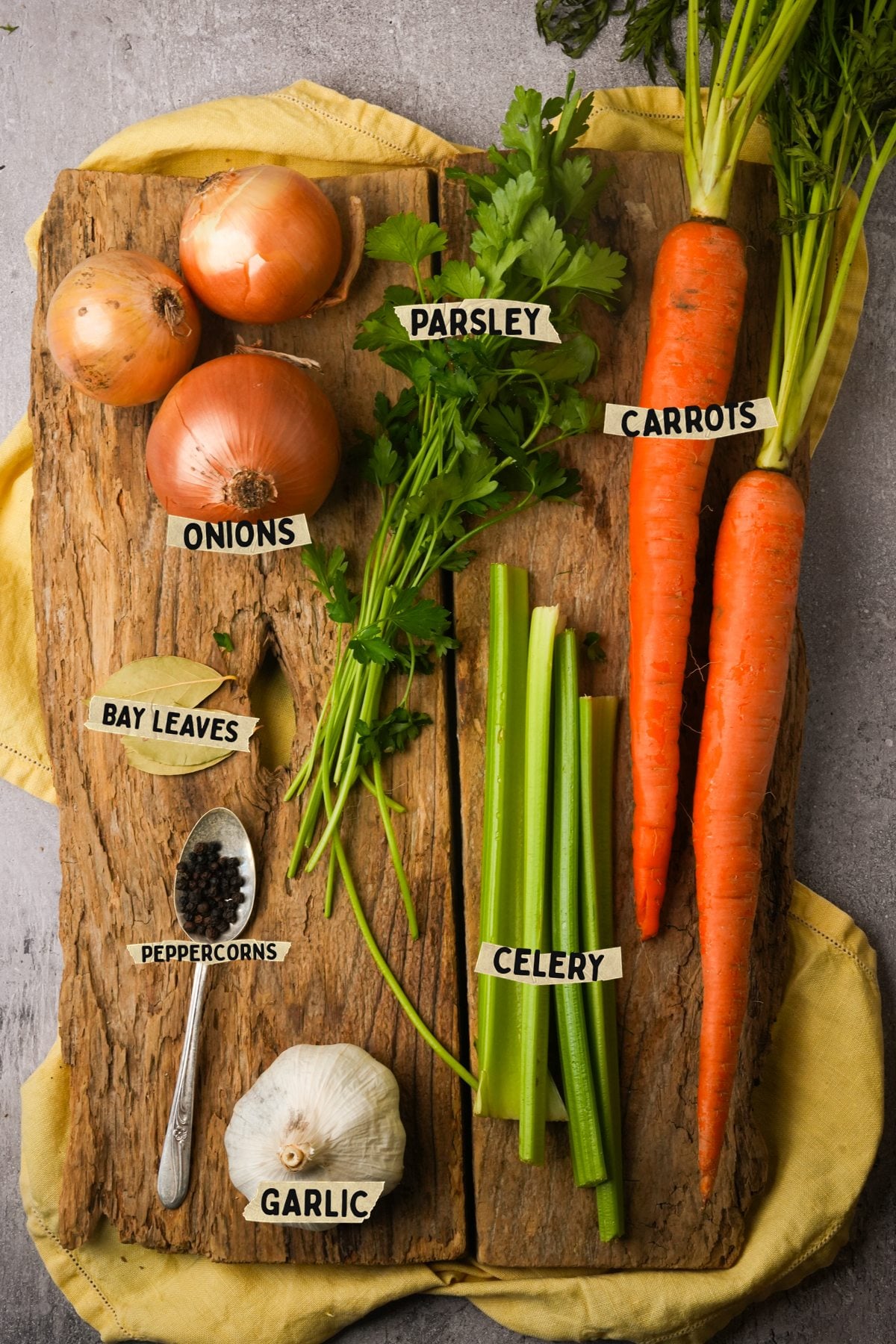
The veggies
Onions, carrots and celery are the holy trinity of stock, AKA mirepoix. The classic French ratio is 2 parts onion to 1 part carrot and 1 part celery.
Mine is a little different: 3 parts onion to 2 parts each of carrots and celery. Bumping up the carrot and celery gives the stock a rounder, slightly sweeter, more veggie-forward flavor, so it doesn't just taste like hot onion water.
Parsley
Half a cup of fresh parsley adds a bright, green, herbal backbone, like your stock went for a jog through a meadow, and that makes me super-happy to picture in my head. Use the stems too. They're packed with flavor, and you were probably gonna chuck 'em in the trash anyway, you wasteful little goblin.
Peppercorns and bay leaves
Whole black peppercorns and bay leaves give the stock that classic, aromatic backbone. I use whole peppercorns so the stock stays clear and doesn't turn gritty. Ground pepper can work too, especially if you've got a super fine strainer like a chinois to catch all the little specks.
*See the recipe card at the bottom of the page for exact quantities, nutritional info, and detailed cooking directions.
Variations
Bouillon paste or cubes
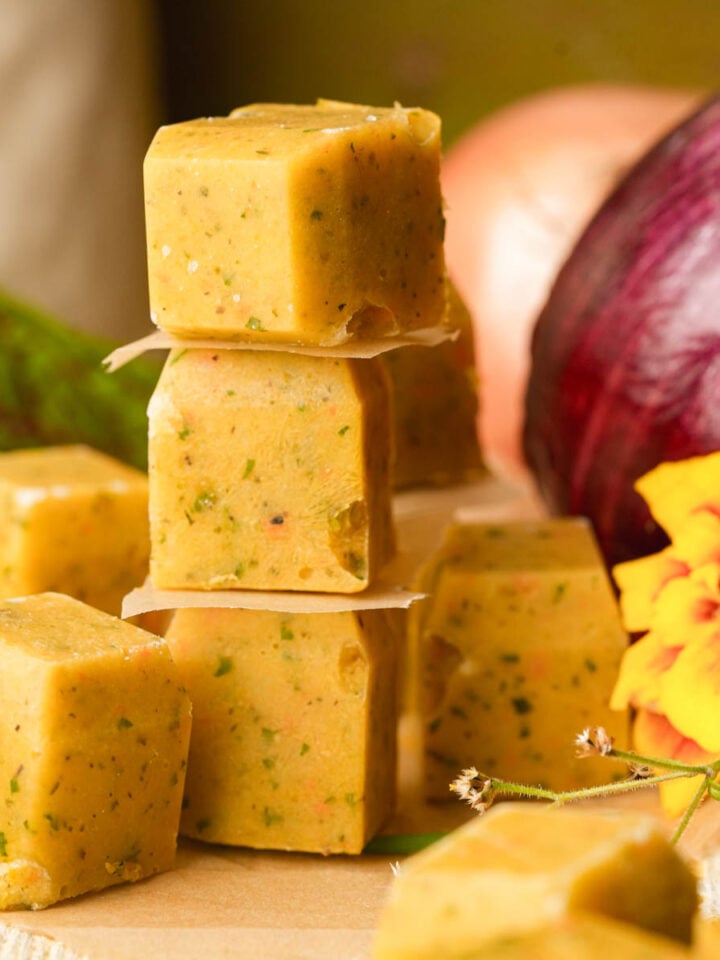
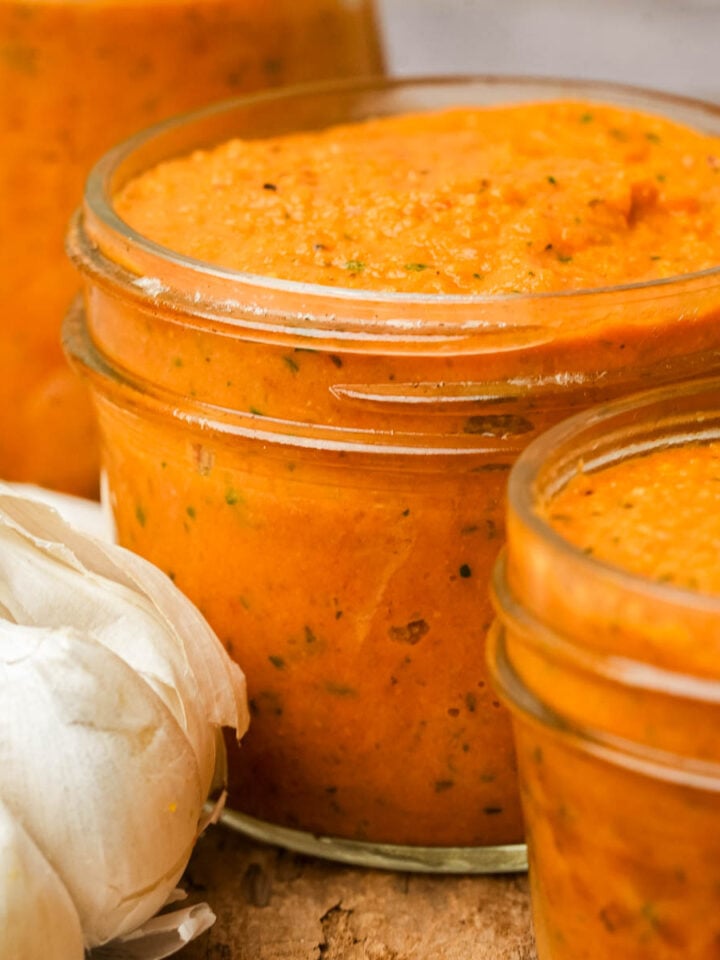
My vegetable bouillon paste packs the same idea into a small jar in the fridge, and my vegetable bouillon cubes live in the freezer. Both are salted, though.
Mushroom stock
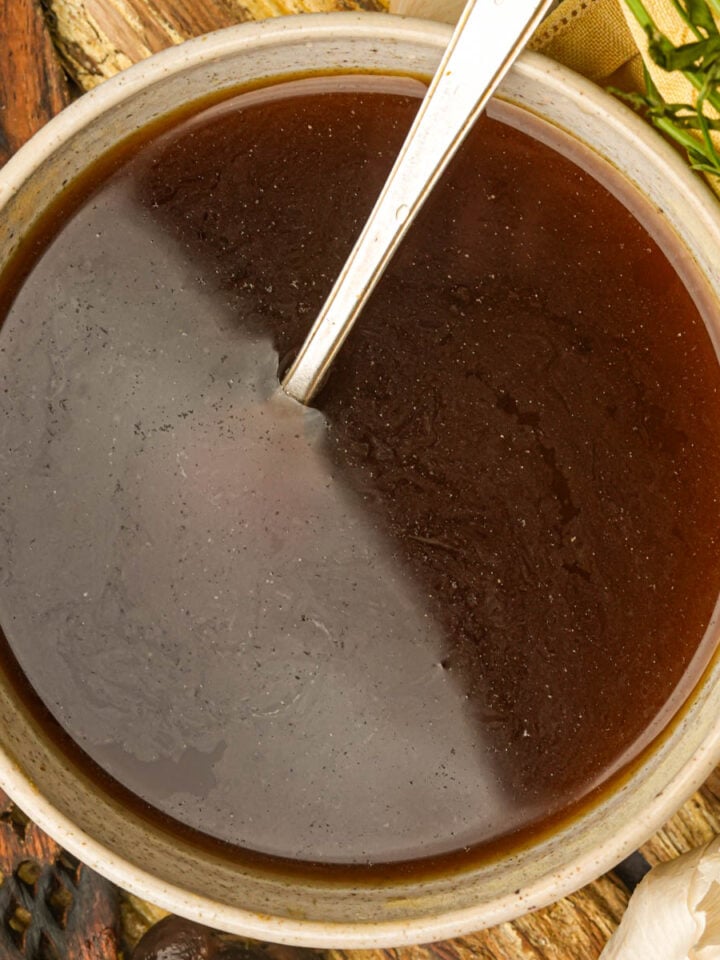
For gravies, stews and risotto that want a darker, meatier vibe, simmer up a pot of my mushroom stock with 3 kinds of mushrooms.
Vegan chicken bouillon
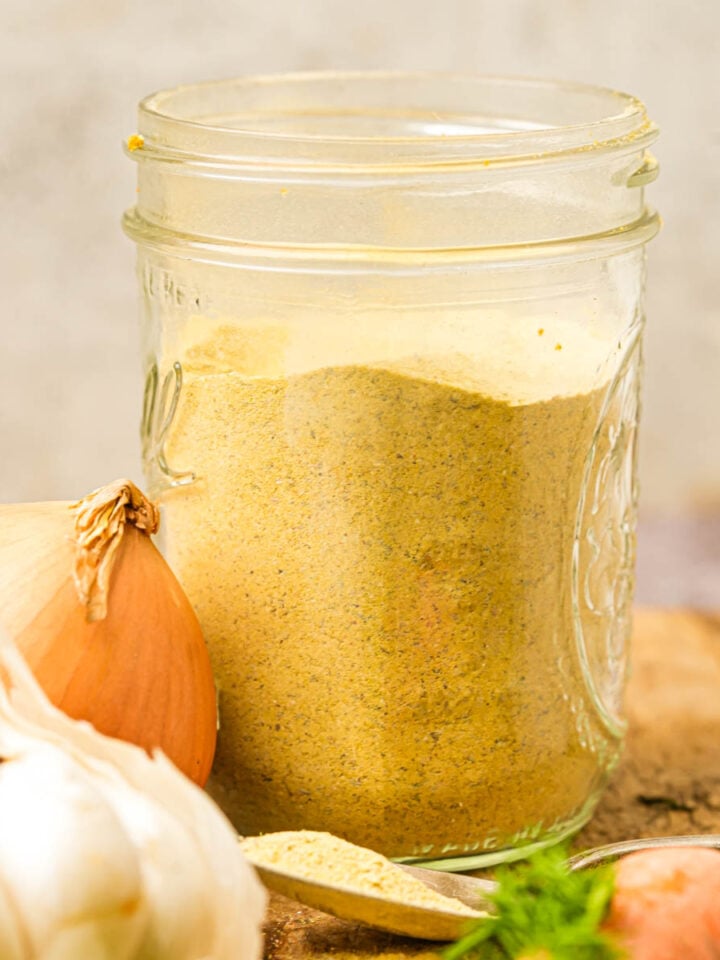
For noodle soup and matzo balls, my vegan chicken bouillon paste or shelf-stable vegan chicken bouillon powder give you that golden, cozy flavor with zero birds harmed.
How to make unsalted vegetable stock
The hardest part of this recipe is not eating the whole pot of soup you were going to make with it. Steps are below, or jump to the card.
Step One
Stock Options:
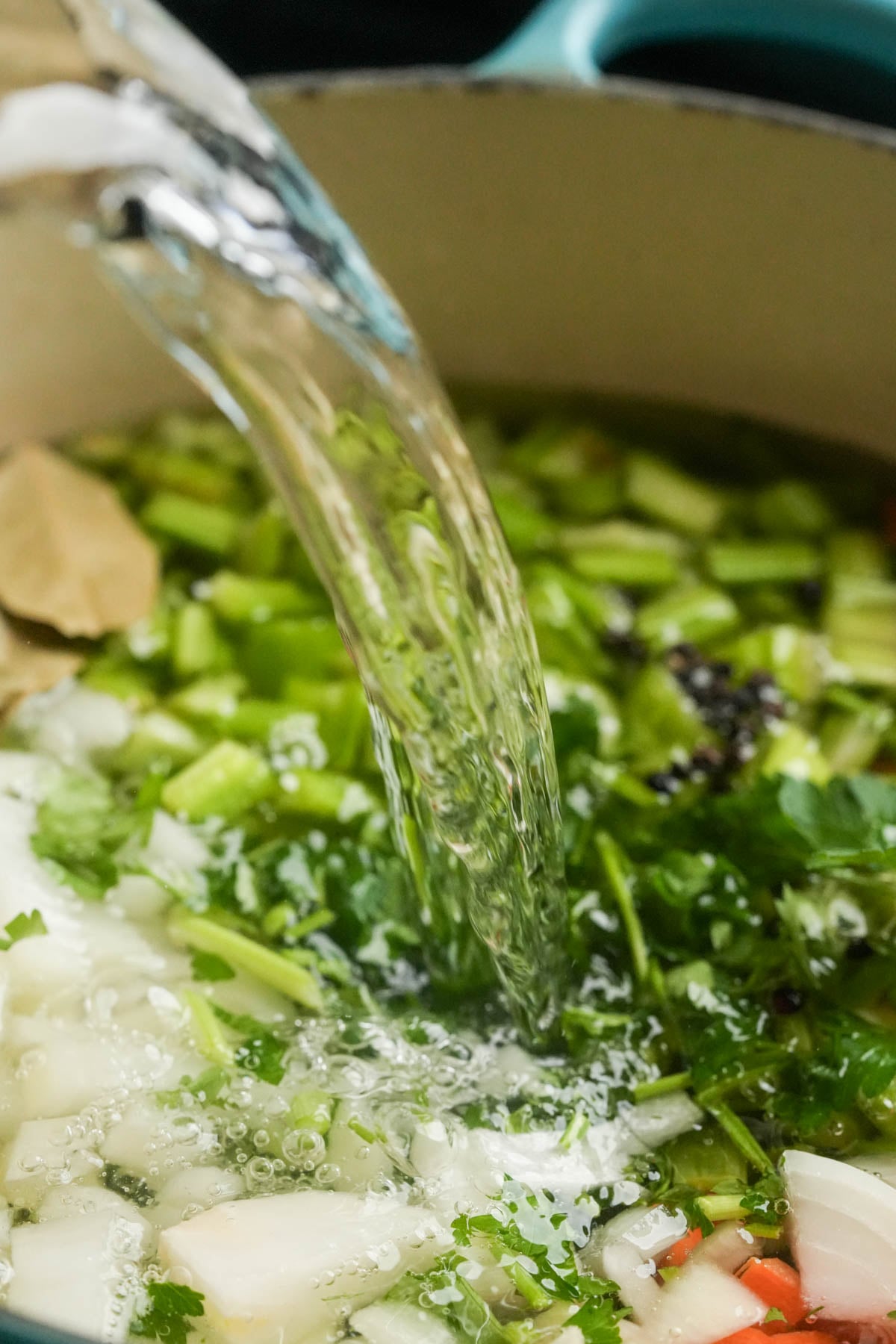
Add the onions, carrots, celery, garlic, parsley, peppercorns, and bay leaves to a large stockpot. Pour in the water and bring to a boil over high heat.
Step Two
Sim Simmer, Who's Got The Keys To My Bimmer:
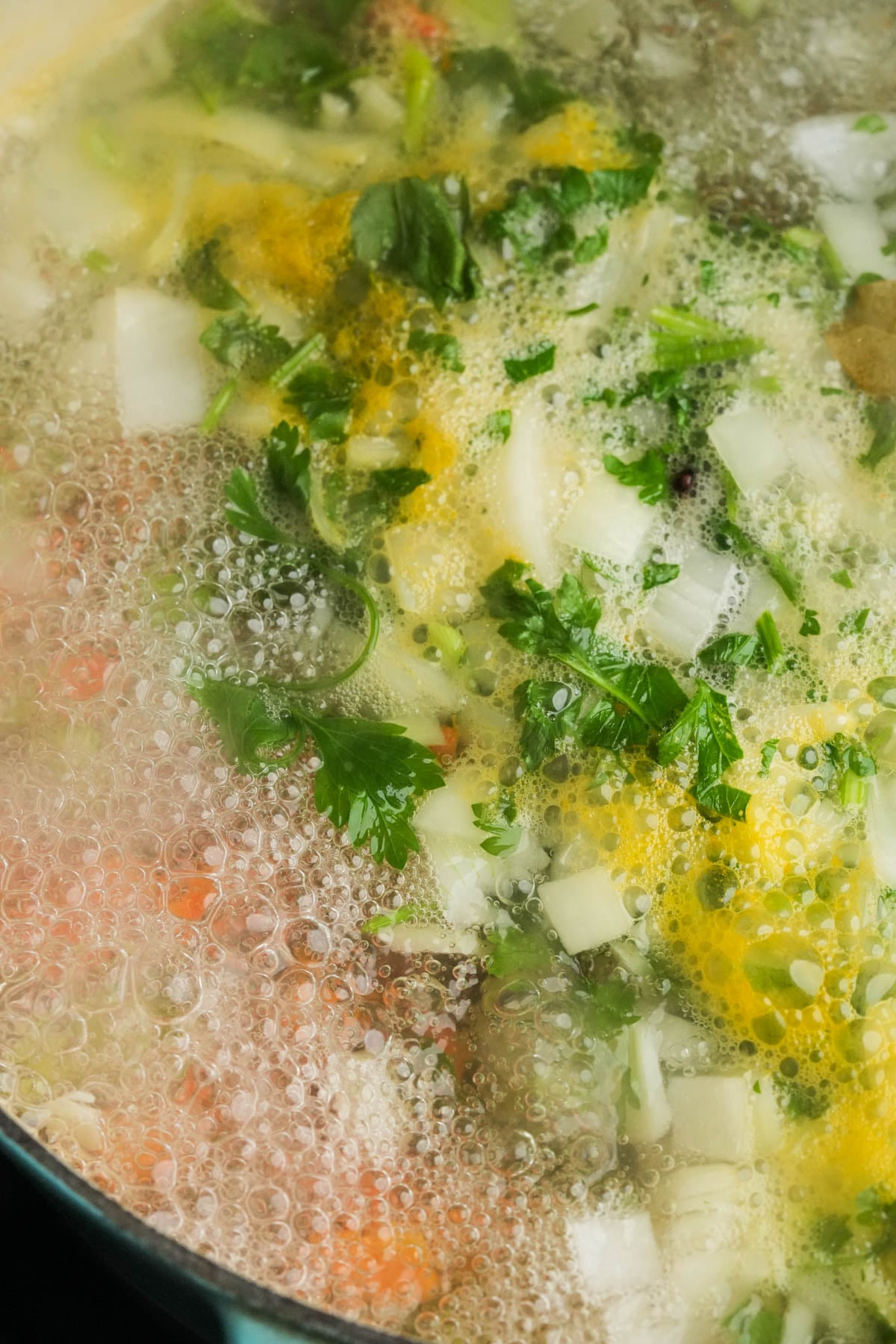
Reduce the heat to medium-low and simmer uncovered for 1 hour.
Keep it at a gentle simmer. A hard boil makes the stock cloudy and evaporates more liquid than you want to lose.
Step Three
In Strain in the Membrane:
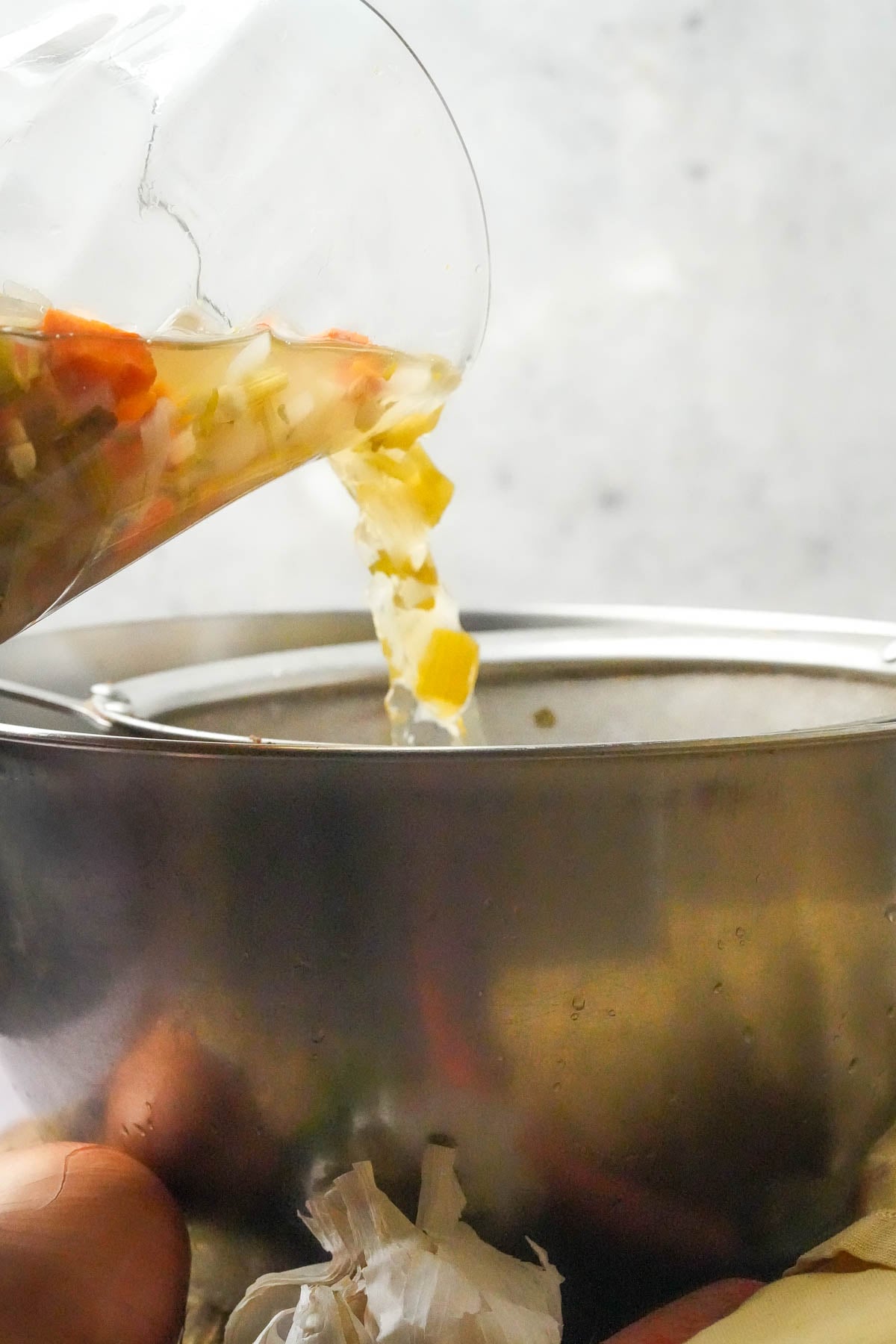
Remove the pot from the heat and let the stock cool slightly. Strain it through a wire-mesh strainer and discard the vegetables and aromatics.
Step Four
Ice Ice Baby:
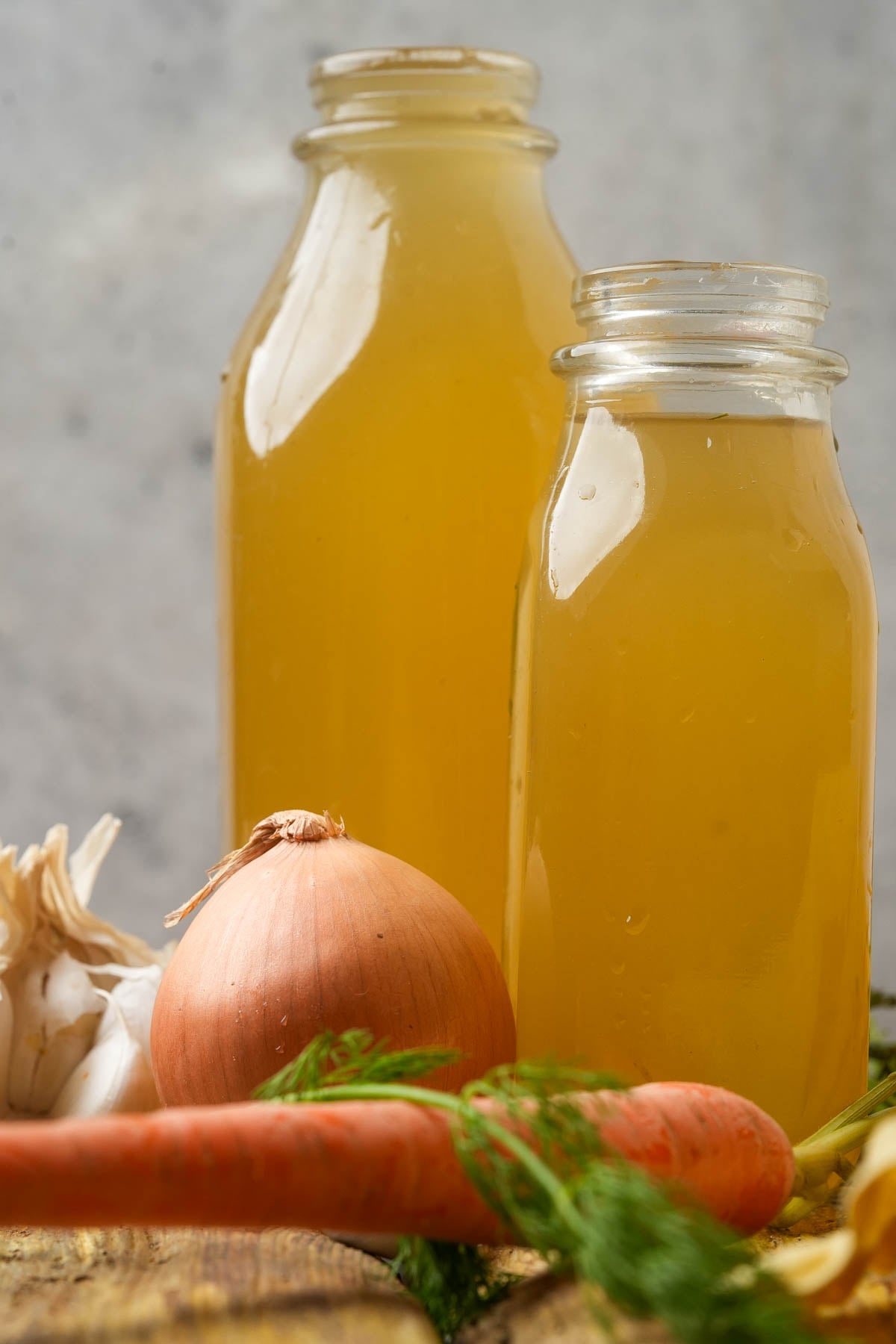
Transfer the stock to airtight containers and refrigerate for up to 7 days, or freeze for up to 3 months.
Serving ideas
Use it anywhere a recipe calls for vegetable stock, especially dishes that reduce a lot.
It's perfect in vegan mushroom risotto, vegan bo kho chay (which uses lion's mane instead of beef), and is great in a big ol' batch of tofu chili.
Grains love it too. Instead of water, cook rice for Lebanese rice with vermicelli in it and season to taste at the end, or use it to loosen up leftover vegan scalloped potatoes when you reheat them.
Basically, if it bubbles on a stove, this stock wants in. Uh, like except rice pudding… it wants nothing to do with that.
Top tips
- Never Boil It: A rolling boil turns stock cloudy and cooks off too much liquid, so you end up with less stock that has more muddled flavor. Keep it at a lazy simmer for cleaner, brighter broth.
- Season the Dish, Not the Stock: Taste your final soup or sauce and salt it there. That's the whole point of making it unsalted.
- Cool It Before Freezing: Hot stock will warm up everything around it in a freezer. Let it cool first, and leave some headspace in each jar for expansion.
Recipe FAQs
These days the names get used interchangeably. Traditionally, stock is the unseasoned base for cooking, and broth is seasoned, salted, and sippable on its own.
Because salt concentrates as liquid reduces. Starting unsalted means a risotto or gravy can cook down without becoming way too salty, and you season to taste at the end.
In restaurants we call this "garbage stock". Save clean onion ends, carrot peels, celery leaves and parsley stems in a container in the freezer, and use them in place of some of the fresh veggies. Skip cabbage and broccoli scraps, which make the stock a little stinky (I use those in my dog food for my zillions of rescued vegan border collies).
🧊 In the Fridge: Keep it in airtight containers for up to 7 days.
❄️ In the Freezer: Freeze it for up to 3 months. Leave room at the top of each container, since stock expands as it freezes.
✌️ A few rad things to use your homemade vegetable stock in:





Enter your email & I'll send it to your inbox. Plus, get great new recipes from me every week!
By submitting this form, you consent to receive emails from Cinnamon Snail.
Unsalted Vegetable Stock
Equipment
- large stockpot
Ingredients
- 3 cups onions diced
- 2 cups carrots diced
- 2 cups celery diced
- 1 tablespoon garlic minced
- ½ cup parsley chopped
- 1 teaspoon peppercorns
- 3 bay leaves
- 12 cups water
Instructions
- Add the onions, carrots, celery, garlic, parsley, peppercorns, and bay leaves to a large stockpot. Pour in the water and bring to a boil over high heat.
- Reduce the heat to medium-low and simmer uncovered for 1 hour, allowing the vegetables and aromatics to infuse the stock. Avoid boiling vigorously, as this can make the stock cloudy, as well as evaporating off more of the liquid than you want to lose.
- Remove the pot from the heat and allow the stock to cool slightly. Strain through a wire-mesh strainer, discarding the vegetables and aromatics.
- Transfer the stock to airtight containers and refrigerate for up to 7 days or freeze for up to 3 months.
Notes
Enter your email & I'll send it to your inbox. Plus, get great new recipes from me every week!
By submitting this form, you consent to receive emails from Cinnamon Snail.
Drop This Recipe Some Love